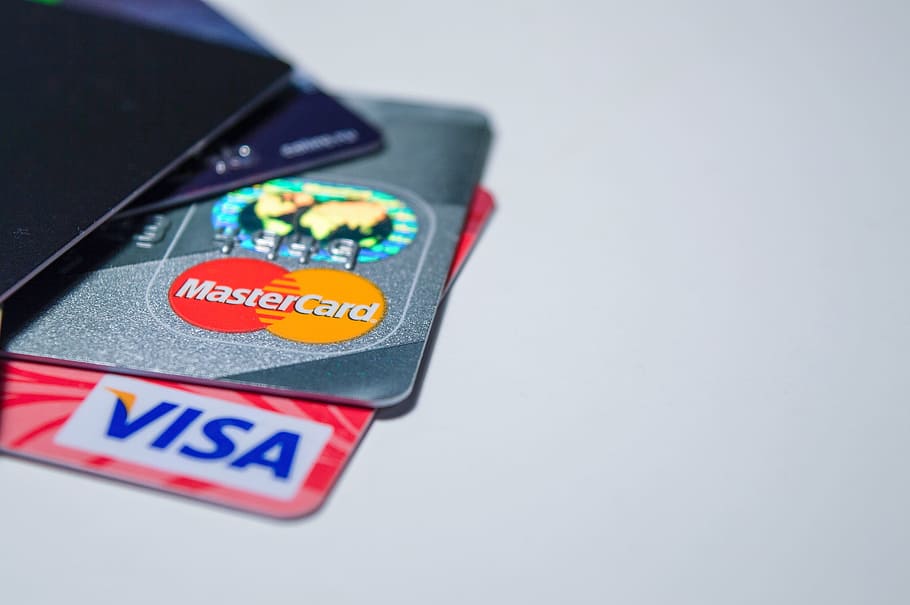
Cash back credit cards with no annual fee are still one of the smartest ways for American consumers to rack up some serious rewards on their everyday purchases. From my experience in this field, these cards really deliver the best bang for your buck - you get to keep the card without dipping into your returns each year, and then there are the category bonuses, welcome offers and those rotating multipliers that add up fast over a year. Lately, it's been really clear from market roundups that issuers are constantly trying to squeeze more out of no-fee cash-back offers to get a bigger share of the market - making this a great time to take a close look at your card strategy and the cards you use.
Why zero-annual-fee cash-back cards are really hot right now
Honestly, I've been using a specific approach when I look at card portfolios, and it's pretty simple: no-annual fee cash-back cards just work. Card issuers use targeted rewards and partnerships with merchants to make up for not charging a yearly fee. And you, as the consumer, get the benefit of being able to use the card with lower hassle. So, what's changed is that card issuers have been expanding those category bonuses and offering higher rates on travel, dining, and other types of purchases to draw new customers in without charging a yearly fee. And that's a trend you can see across pretty much every major reviewer and product list out there.
How to pick the right no--fee cash-back card for you
After working with this topic for a long time I would say just focus on four things when evaluating cards: how much cash back you can actually get on your usual spending, how well the card's bonus categories match your spending habits, how easily you can redeem your rewards, and what kind of incidental benefits come with the card (travel insurance, purchase protection etc). Honestly, over time my experience has shown that what really matters is how often you're going to actually earn those elevated cash back rates - not the headline APR or the signup bonus. For example - a card that offers 5% back on rotating categories is going to beat a flat 2% card if you happen to spend a lot in those categories and make sure to activate the bonus each quarter.
Top product types to consider
- Flat-rate cards - You get 1.5% - 2% cash back on every purchase - these are best for people who don't care about the details and just want that easy, straightforward cash back.
- Category-focused cards - Get higher returns on groceries, gas or dining - these are ideal if you can pinpoint where most of your money is going.
- Rotating-category cards - You get 5% cash back in categories that change every 3 months - this is a great option if you can stay on top of and activate the bonuses.
- Hybrid cards - They combine a flat rate with higher rates in a few categories (like 3% for groceries and 1.5% everywhere else). Sometimes the best of both worlds is what you need.
Having years of experience in the field I've found most people do best with one flat-rate card and one category-focused or rotating card to tap into all the different cash back opportunities.
Practical steps to really make the most of cash back
- Make a list of where you spend your money each month and a rough guess of how much of that cash back is going to be worth.
- Prioritize cards that have the categories you spend the most on (top 40% of your spending) - give them the high ground.
- Use the portals and offers on each card to grab all the extra savings you can - every penny counts.
- Redeem your rewards in whatever way works best for you (cash, deposited direct, or a gift card) - you want to be able to make the most of them. I have a lot of experience with this and its surprising how big the difference is from doing a few small things (for example switching your grocery shopping to a 3% card).
What to be on your guard for
You need to keep track of when the rotating-category cards change over and that those quarterly caps on the higher bonus rates aren't going to cut into your cash back. And sometimes the merchant will code a purchase in a different category than you expect - this can really mess up your cash back. Also don't forget to compare the APR when you carry a balance - a high interest rate will quickly wipe out any reward savings you made. From all the experience I have in this area I would always recommend paying your balance off in full each month to keep the cash back benefits.
Examples and where to check whats available at the moment
Big-name personal finance sites are always churning out updated lists of the best no-annual-fee cash-back cards. Those lists make a great starting place for digging into the details of a card. For a more current overview of comparisons and who's behind each card, check out places like Forbes Advisor and NerdWallet - they're kept up to date on welcome deals, what categories are eligible, and any changes at the issuer level.
Red flags and what to read carefully
Don't get suckered in by a low rate that's only good for a short time - it will probably jump right back up after 6 to 12 months. Also, watch out for cards with a cap on the cash you can earn in certain categories, and see if there are any restrictions when it comes to combining special deals at specific merchants. Just as important, make sure you read the fine print on your card agreement: this will explain how to sort out any disputes and what benefits or perks you can actually rely on. I've done this for a while now and its surprisingly common for people to get burned not by the reward rate itself, but by not fully understanding what they can and cant do.
Tactical check list
- Double check whether rotating categories need to be manually activated each quarter.
- See if there's an annual cap on earning cash in certain categories, and work out how much you can actually expect to take home.
- Look at redemption options, and any fees attached to using certain redemption routes.
- Use the issuer's website and any merchant offers you can find to squeeze out a bit more savings.
Post a Comment