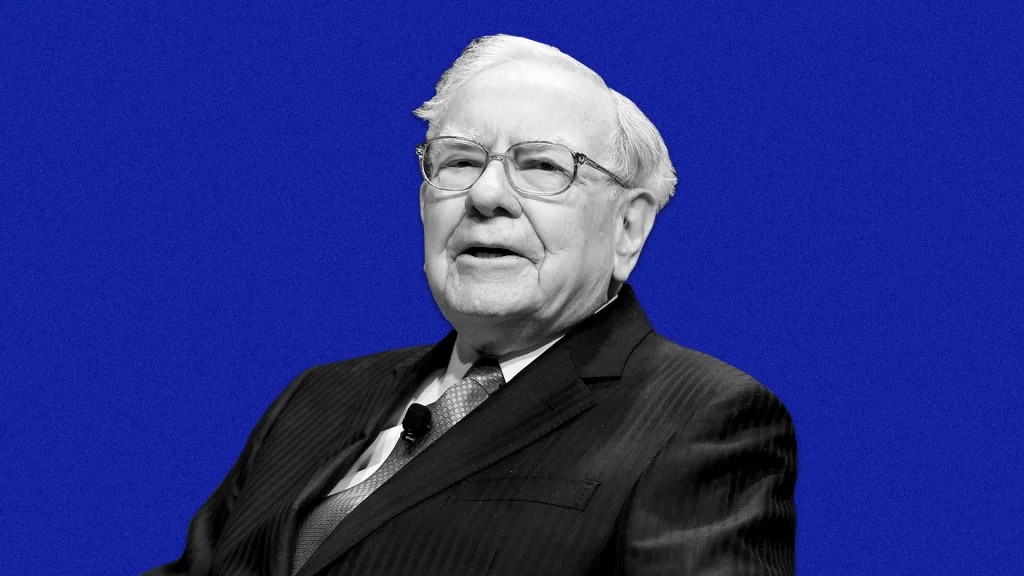
Among the whirlwinds of change and the lightning pace of advancement that's sweeping through financial markets, one thing remains remarkably consistent - the core investment philosophy of Warren Buffett. This one, though, has proven to be a rock of stability and a source of great insight, even in a world where interest rates are constantly shifting, inflation worries are running high, and the rules of the game are changing all the time.
At the very heart of Buffett's strategy is value investing - the meticulous search for businesses that are trading for substantially less than they're truly worth. It's not about jumping on the latest fad or risking a quick buck on some get-rich-quick scheme. No, this is all about doing your homework and figuring out the real economic value of a company, regardless of what its stock price is doing. Investors are encouraged to think of a stock as being a small part of a business and to understand every nook and cranny of that business - from the way it makes money to its competitive position and its prospects for long-term earnings. That kind of fundamental analysis provides a solid footing, so you can make informed decisions rather than getting caught up in the day's noise.
One of the key building blocks of this value-driven approach is the concept of a margin of safety. Now, this is a core principle that Buffett always drives home - the idea that you should buy a business at a price that leaves plenty of room for error. Whether that's because the business runs into some bad luck, or you make a mistake with your analysis, or the market becomes too crazy, the buffer between what you pay and what the business is really worth will protect your capital and give you some peace of mind. And, of course, in uncertain times like we've seen with the last spate of inflation and economic fears, this becomes an absolutely invaluable risk management tool.
Another key piece of Buffett's approach is the idea of economic moats. This is short for "sustainable competitive advantage" - a business that's got a strong brand, a proprietary piece of technology, a network effect, a cost advantage, or something else, all of which protects its profits and market share from rival companies. Companies with wide moats tend to be consistent cash generators and have predictable earnings, which is what you want in a business if you're looking to hold onto it for the long haul. Being able to spot these enduring advantages is what will let you identify businesses that can ride out the ups and downs of the economy and keep making money for decades.
Buffett's philosophy is built on a long-term view. He's famous for saying that his "favorite holding period is forever." By holding onto quality businesses for years - or even decades - you let the power of compound interest do its magic. By reinvesting your earnings and letting the business grow, your wealth compounds at an ever-increasing rate over time. This is in stark contrast to the get in - get out mentality that you see in many parts of the market - the idea that making a quick buck is the ultimate goal. True wealth creation, though, is a marathon, not a sprint. And by being patient and not over-trading, you can save on transaction costs and avoid the worst of the market's short-term ups and downs.
Furthermore, Buffett makes it clear that investing has to be within your circle of expertise. That means sticking to businesses that you really know inside and out before putting a penny into them. If you cant even explain clearly to yourself how the company makes money or what its strong points are, then maybe its not a good investment after all. This thinking encourages really deep research and discourages throwing your money at companies or technologies that you don't have a clue about. Its an exercise in honesty with yourself, and it stops you making silly mistakes by getting swept up in hype or not having all the facts.
The Oracle of Omaha also puts a lot of weight on making smart use of your capital. Even the best business in the world can get messed up by bad management decisions about how to use its resources. Buffett looks for management teams that are on the same page as the shareholders - they're not trying to line their own pockets at the expense of the business or its owners. This kind of alignment of interests is a real key to spotting a company that's going to do well for a long time. A company with that kind of focus is much more likely to make smart decisions about things like share buybacks, strategic acquisitions & the like.
In these uncertain economic times, where inflation can knock your purchasing power and interest rate hikes can make your shares less valuable, Buffett's principles are looking like a pretty solid framework. Businesses with strong defenses ( so called 'moats') and the power to pass on price increases to customers are becoming like a hedge against inflation. The focus on whats the real value of a business provides a steady anchor when the market is getting all over the place, giving you chances to pick up good assets at a good price when things get wild. And he also points out that dividend growth from companies that have a solid foundation also gives you a regular income stream.
At the end of the day, Warren Buffett investment approach is a testament to the power of good old fashioned common sense and just sitting back. Its a timeless guide for investors who are trying to build a lasting fortune by focusing on the underlying economics of a business, rather than just getting caught up in the ups and downs of the stock market. By sticking to what you know inside out, insisting on a margins of safety, identifying those economic moats and are willing to take a long term view, investors can build a portfolio that will thrive, no matter what the market is doing.
Post a Comment